
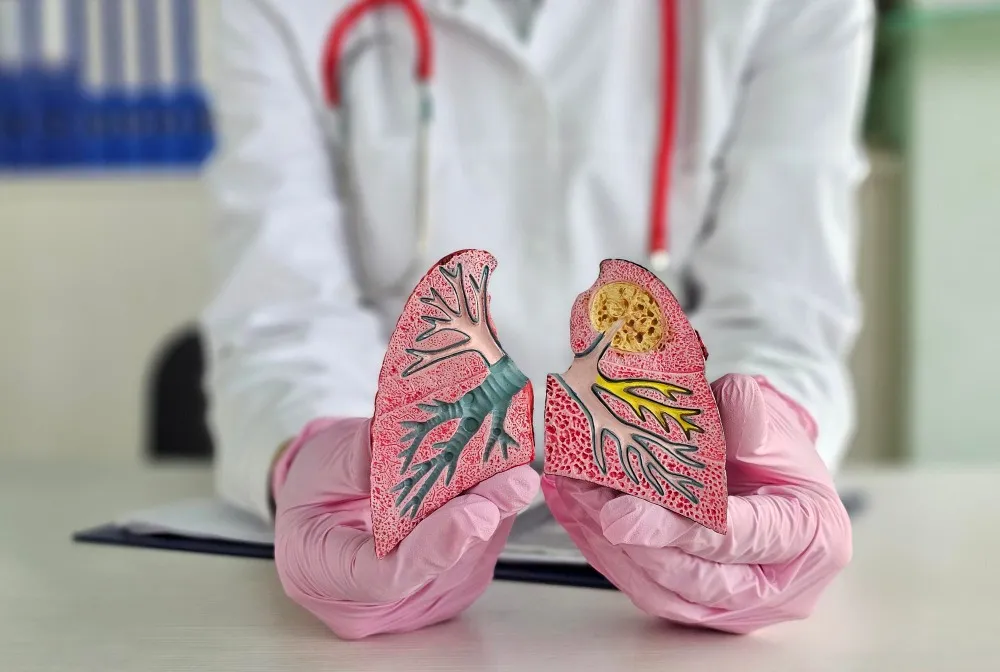
Bronchitis is commonly associated with coughing, mucus production and chest discomfort. A single short-lived episode may occur after a viral respiratory infection and often improves with appropriate supportive care. The situation is different when coughing repeatedly returns, lasts unusually long or occurs alongside persistent breathlessness.
Patients in Trichy experiencing recurrent episodes may wonder whether routine treatment is sufficient or whether evaluation by a bronchitis specialist or respiratory physician would be more appropriate.
Acute Bronchitis Is Usually Temporary
Acute bronchitis develops when the bronchial tubes become inflamed, commonly following a viral infection.
Symptoms can include:
- Cough
- Mucus production
- Mild wheezing
- Chest discomfort
- Fatigue
- Sore throat
- Low-grade fever in some cases
A cough can sometimes remain after other symptoms improve because airway irritation takes time to settle.
Antibiotics are not automatically required for every episode because many cases are viral. Treatment decisions should depend on clinical assessment rather than assuming every cough needs antibiotic medication.
Recurrent Symptoms Change the Picture
Repeatedly developing what appears to be bronchitis deserves a closer look.
A respiratory specialist may investigate whether another condition is producing similar symptoms.
Possible considerations include asthma, COPD, bronchiectasis, recurrent respiratory infection, allergy or other airway disorders.
This distinction matters because repeatedly treating the cough without identifying the underlying condition may provide only temporary relief.
When Specialist Evaluation Becomes More Relevant
Consider respiratory assessment when:
- Cough persists for several weeks
- Similar episodes occur frequently
- Wheezing repeatedly accompanies the cough
- Breathlessness is increasing
- History of smoking or occupational respiratory exposure is present
- Chest infections repeatedly require treatment
- Symptoms interfere with sleep or everyday activity
Blood in the sputum, significant breathing difficulty or other severe symptoms require more urgent medical attention.
What Additional Evaluation Can Provide
Specialist assessment is not simply about prescribing stronger medication.
The goal is to establish why symptoms are occurring.
Depending on the patient's history, evaluation may include a chest examination, oxygen measurement, chest imaging, pulmonary function testing or laboratory investigations.
Sputum analysis may sometimes be useful where infection is suspected.
The findings help distinguish temporary bronchial inflammation from chronic respiratory disease.
Avoid Common Self-Treatment Mistakes
People with recurring cough frequently use leftover antibiotics, cough syrups or inhalers previously prescribed for someone else.
This can delay accurate diagnosis.
Another mistake is assuming that mucus colour alone proves a bacterial infection. Clinical context and examination are more useful for deciding whether further investigation or treatment is needed.
People who smoke may also normalize a persistent morning cough. A chronic cough should not automatically be considered harmless simply because it has existed for a long time.
Choosing the Appropriate Level of Care
A mild, uncomplicated respiratory infection may be managed through routine medical care.
A specialist becomes particularly relevant when the pattern is persistent, recurrent, unusual or associated with underlying lung disease.
At Galaxy Chest & Multi Specialty Hospital Pvt Ltd, patients in Trichy with recurrent bronchitis-like symptoms can undergo respiratory evaluation within a hospital environment. This can be helpful when diagnostic testing or management of accompanying respiratory conditions is required.
The decision is therefore less about choosing between two types of doctors and more about the nature of the problem.
A first, uncomplicated episode and a repeated respiratory pattern are not necessarily the same clinical situation. Recognising that difference can help patients seek the right level of evaluation.
Keywords