
Pneumonia is an infection affecting the lungs. While some cases can be managed with outpatient treatment, others can become serious and may require hospital monitoring, oxygen support or more intensive respiratory care.
Knowing when pneumonia specialist assessment becomes important can help patients and families respond appropriately when symptoms worsen.
In Trichy, patients with suspected pneumonia should pay particular attention to the severity of breathing difficulty and their overall condition rather than relying only on the presence of fever or cough.
How Pneumonia Can Present
Symptoms vary depending on the cause, age of the patient and underlying health.
Common symptoms include:
- Fever or chills
- Cough
- Phlegm production
- Chest pain while breathing or coughing
- Shortness of breath
- Fatigue
- Reduced appetite
- Rapid breathing
Older adults may occasionally present differently, including increased weakness or confusion rather than prominent fever.
Mild and Severe Pneumonia Are Different
A relatively stable patient who can breathe comfortably, maintain oxygen levels and take oral medicines may sometimes be treated outside the hospital when a doctor considers it appropriate.
Hospital evaluation becomes more relevant when respiratory function or overall health is significantly affected.
Doctors consider several factors rather than judging severity from one symptom.
These include oxygen saturation, breathing rate, blood pressure, age, existing medical conditions and imaging findings.
Warning Signs That Need Prompt Assessment
Seek timely medical evaluation if pneumonia symptoms are accompanied by:
- Increasing shortness of breath
- Low oxygen readings
- Bluish lips
- Persistent high fever
- Severe weakness
- Confusion
- Chest pain
- Inability to eat or drink adequately
- Rapid deterioration
Severe breathing difficulty or altered consciousness requires emergency care.
Why Some Patients Have Greater Risk
Pneumonia can be more complicated in older adults and people with chronic respiratory or medical conditions.
Patients with COPD, significant asthma, diabetes, heart disease or impaired immunity may require closer observation depending on their clinical condition.
This does not mean every higher-risk patient requires admission. It means their overall clinical status should be assessed carefully.
What a Respiratory Evaluation May Include
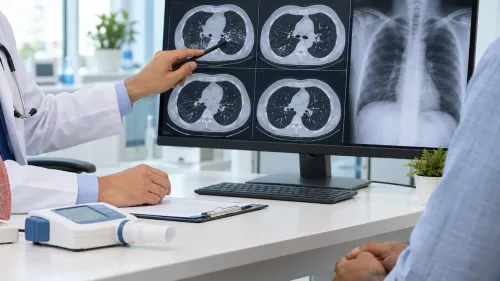
When pneumonia is suspected, doctors may use chest imaging to identify lung involvement.
Additional investigations can include:
- Oxygen saturation measurement
- Blood tests
- Sputum testing in selected cases
- Microbiological investigations
- Other tests depending on severity
These findings can help guide treatment and determine whether hospital care is appropriate.
Recovery Can Take Time
One common concern is that fatigue or coughing does not disappear immediately after treatment begins.
Recovery depends on the severity of infection and the person's underlying health. Some symptoms may improve earlier than others.
Follow-up becomes important if fever returns, breathing worsens or the patient fails to improve as expected.
A repeat clinical assessment may sometimes be necessary to ensure the infection is resolving and to investigate persistent abnormalities.
Hospital-Based Respiratory Support
For patients who become significantly unwell, access to oxygen therapy, monitoring and critical respiratory support can be important.
Galaxy Chest & Multi Specialty Hospital Pvt Ltd in Trichy provides hospital-based respiratory care for patients requiring assessment and management of pneumonia and other pulmonary infections.
Pneumonia should neither be treated as automatically dangerous nor dismissed as an ordinary cough.
The most useful approach is to judge severity carefully. A patient who is clinically stable may require a very different level of care from someone developing falling oxygen levels or progressive respiratory distress.
Recognising those warning signs early helps patients and families know when specialist or hospital evaluation should become the priority.
Keywords