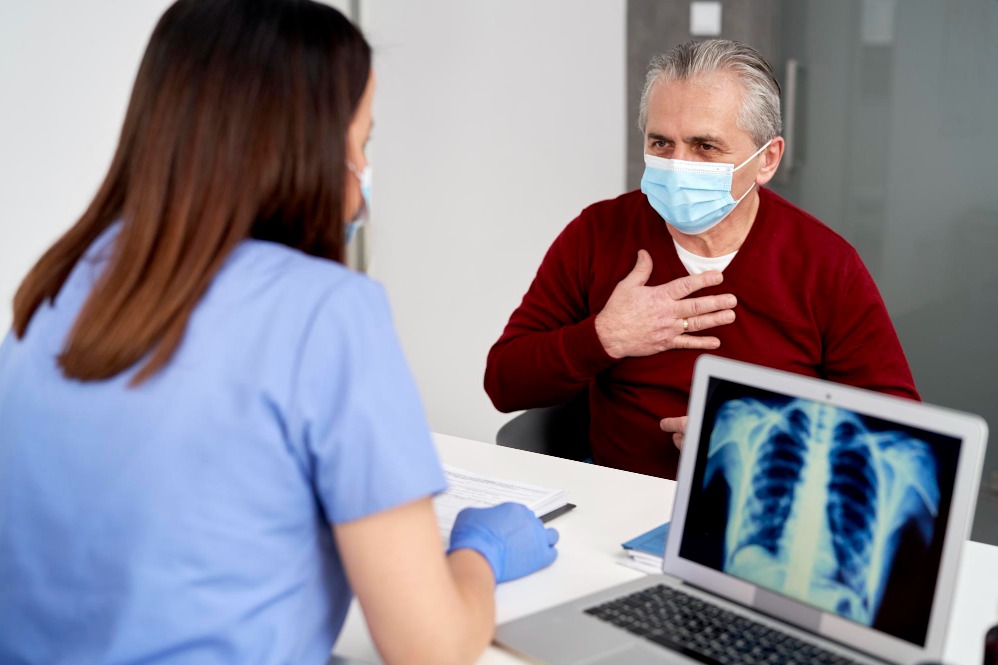
Bronchoscopy is a procedure used to examine the airways and, in selected cases, collect samples from the respiratory tract. Patients may be advised to undergo bronchoscopy after an abnormal scan, unexplained bleeding, persistent infection or another respiratory finding that requires closer investigation.
Choosing a qualified bronchoscopy specialist and understanding how the procedure is planned can make the process easier to approach.
Why Is Bronchoscopy Recommended?
Bronchoscopy is not a routine test for every respiratory symptom.
It may be considered when doctors need information that cannot be obtained adequately through standard examination or imaging alone.
Possible indications include:
- Unexplained abnormalities on chest imaging
- Persistent or recurrent lung infection
- Coughing up blood
- Suspected airway obstruction
- Need for respiratory samples
- Investigation of certain lung masses
- Removal of selected airway foreign bodies or secretions
The exact reason should be clearly explained before the procedure.
What Happens During Bronchoscopy?
During flexible bronchoscopy, a thin instrument containing a camera is passed through the nose or mouth into the respiratory passages.
The specialist can examine the airway lining directly.
Depending on the purpose of the procedure, samples such as washings, brushings or biopsies may be obtained.
The type of sedation, monitoring and sampling depends on the patient's condition and the procedure planned.
Questions Worth Asking Beforehand
Patients should understand why bronchoscopy is being recommended.
Useful questions include:
- What are you trying to diagnose?
- Are samples likely to be collected?
- What preparation is required?
- Should any regular medicines be adjusted?
- Will sedation be used?
- How long will observation be required afterward?
- When are results expected?
- What symptoms after the procedure require medical attention?
Clear answers help patients prepare appropriately.
Medication Information Is Important
Before bronchoscopy, patients should provide a complete medication list.
This is particularly important for people taking medicines that affect blood clotting.
Patients should not stop prescribed medicines independently. The bronchoscopy team should advise whether any adjustment is necessary.
Relevant medical conditions and medication allergies should also be disclosed.
Fasting Instructions Should Be Followed Carefully
Patients are commonly given instructions about eating and drinking before bronchoscopy, particularly when sedation is planned.
The exact instructions can vary.
Follow the hospital's directions rather than relying on general information from another patient's experience.
Patients receiving sedation may also need someone to accompany them home, depending on the hospital's instructions.
What Happens After the Procedure?
Observation is usually required for a period after bronchoscopy.
Temporary throat discomfort, coughing or mild hoarseness can occur.
The medical team should explain what is expected and which symptoms require prompt review.
Significant breathing difficulty, substantial bleeding, severe chest pain or other concerning symptoms should be reported immediately.
Choosing a Facility in Trichy
When evaluating where to undergo bronchoscopy, consider more than the availability of the procedure itself.
A suitable setting should have:
- Experienced respiratory specialists
- Appropriate patient monitoring
- Diagnostic support
- Access to pathology or microbiological testing where required
- Hospital support if complications or additional care become necessary
Galaxy Chest & Multi Specialty Hospital Pvt Ltd in Trichy provides respiratory evaluation and hospital-based pulmonary care for patients who may require bronchoscopy as part of their diagnostic work-up.
Bronchoscopy is most useful when there is a clear clinical question it is intended to answer.
Patients should know why it is being performed, how to prepare, whether samples will be collected and what follow-up is required. That preparation makes the procedure part of a structured diagnostic process rather than simply another test.
Keywords