Long-term breathlessness is often blamed on ageing, poor fitness or previous smoking. However, when it occurs together with persistent coughing, mucus production or reduced exercise tolerance, an underlying respiratory condition such as chronic obstructive pulmonary disease may need to be considered.
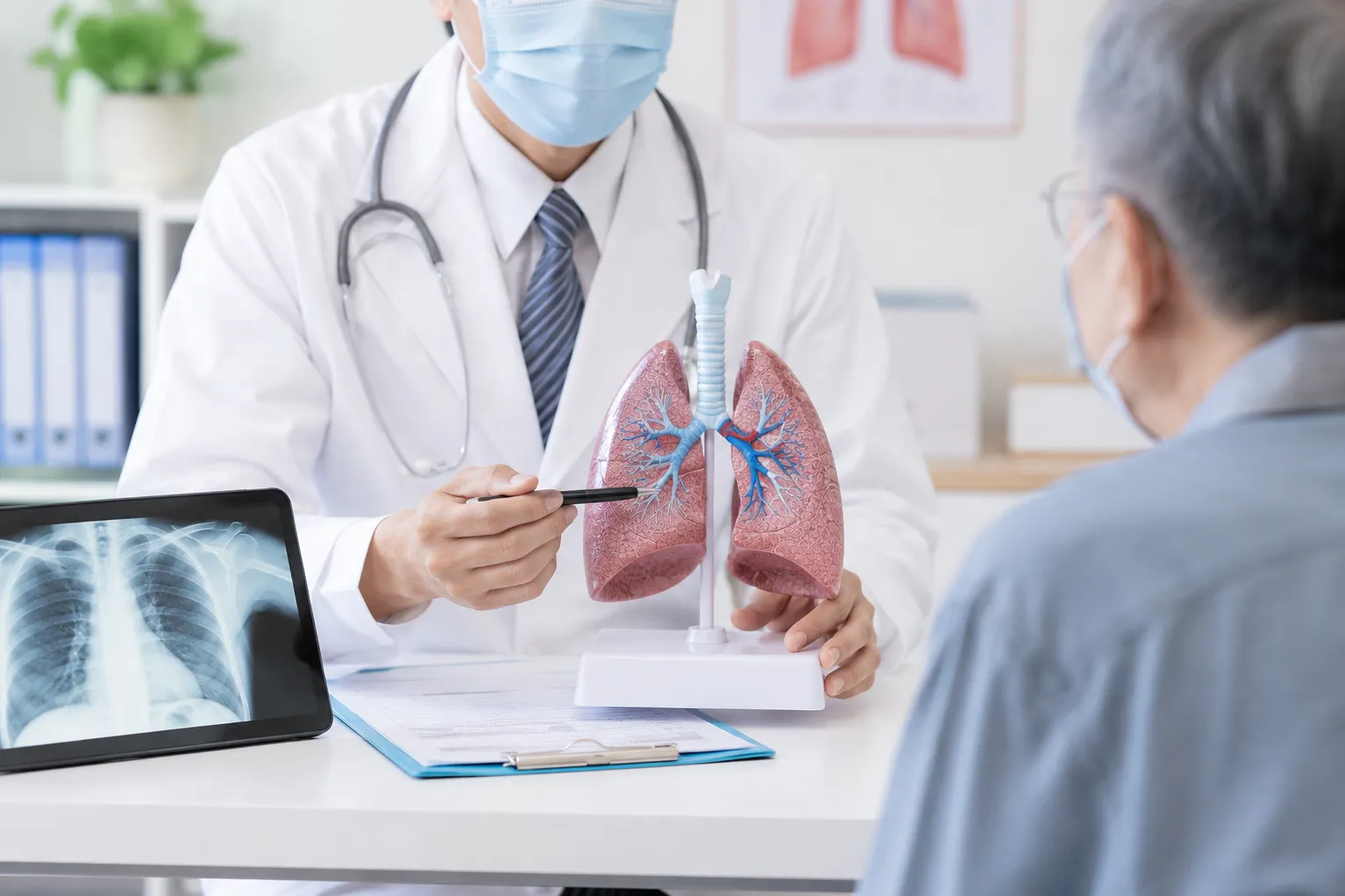
A COPD specialist evaluates respiratory symptoms to determine how well the lungs are functioning and what may be contributing to ongoing breathing difficulty.
For patients in Trichy, recognising persistent symptoms can encourage earlier assessment rather than waiting until breathlessness begins significantly affecting daily life.
What COPD Does to the Lungs
COPD is a chronic respiratory condition in which airflow becomes persistently limited. It commonly includes features of emphysema, chronic bronchitis or both.
Symptoms generally develop gradually.
A person may initially notice difficulty climbing stairs or walking quickly. Over time, breathlessness may occur during increasingly simple activities.
Common symptoms include:
- Persistent cough
- Regular mucus or phlegm
- Wheezing
- Shortness of breath
- Reduced exercise capacity
- Frequent chest infections
- Feeling unusually tired after physical activity
Because symptoms progress slowly, people sometimes adapt their lifestyle without recognising how much their breathing has changed.
Who May Need COPD Assessment
Smoking is an important risk factor, but it is not the only consideration.
Long-term exposure to occupational dust, fumes, indoor smoke and other respiratory irritants may also contribute to chronic lung problems.
Evaluation may be particularly useful for people who experience persistent respiratory symptoms and have a history of exposure to these factors.
What Happens During COPD Evaluation
A COPD specialist generally begins by reviewing symptoms, medical history and potential respiratory exposures.
Lung function testing can help determine whether airflow obstruction is present and assess its severity.
Depending on the clinical situation, additional investigations such as chest imaging, oxygen measurement or laboratory tests may be advised.
The aim is also to distinguish COPD from other causes of breathlessness, including asthma, heart-related conditions and other lung diseases.
Managing COPD Beyond Medication
COPD management is often multifaceted.
Depending on severity, a care plan may involve:
- Inhaled medicines
- Correct inhaler technique
- Smoking cessation
- Pulmonary rehabilitation
- Appropriate physical activity
- Vaccination advice
- Nutritional support
- Oxygen assessment when indicated
Preventing exacerbations is another important objective.
An exacerbation is a sudden worsening of COPD symptoms. Increased coughing, changes in sputum, fever or rapidly worsening breathlessness may indicate an infection or flare-up requiring medical assessment.
Why Monitoring Matters
COPD is generally a long-term condition, which makes follow-up important. Monitoring helps doctors assess symptom progression, treatment response and the frequency of respiratory exacerbations.
People should also understand their usual baseline. Recognising a meaningful change from normal can make it easier to seek medical attention when necessary.
Patients in Trichy with chronic cough or progressive breathlessness can seek respiratory evaluation at Galaxy Chest & Multi Specialty Hospital Pvt Ltd. Hospital-based assessment can be especially useful when symptoms require pulmonary investigations or coordinated management of additional medical conditions.
Breathlessness should not automatically be considered an unavoidable part of ageing. When respiratory symptoms persist for weeks, recur frequently or gradually restrict everyday activities, appropriate evaluation can help identify the underlying cause and guide further care.
Keywords