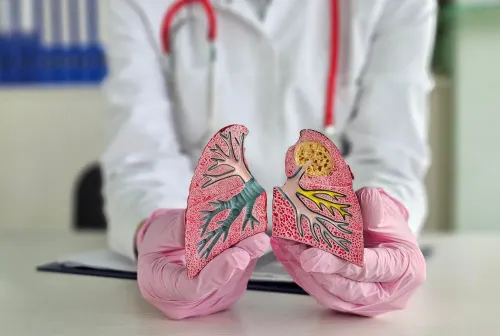

Asthma can affect people differently. For some, symptoms appear occasionally after exposure to dust or seasonal changes. For others, coughing, wheezing and breathlessness can interfere with sleep, exercise and everyday activities. When these problems become frequent or difficult to control, evaluation by an asthma specialist can help identify what is happening and guide appropriate management.
For people in Trichy, understanding asthma symptoms early is particularly useful because respiratory discomfort can sometimes be mistaken for a temporary allergy, infection or weather-related problem.
Common Signs That May Point to Asthma
Asthma affects the airways, causing them to become inflamed and more sensitive. Symptoms can vary in frequency and severity.
Common signs include:
- Repeated wheezing
- Shortness of breath
- Chest tightness
- Persistent coughing
- Cough that becomes worse at night
- Breathing difficulty during exercise
- Symptoms triggered by dust, smoke or strong smells
Not everyone experiences all these symptoms. Some people mainly develop a persistent cough, while others experience episodes of significant breathing difficulty.
Why Asthma Symptoms Keep Returning
Recurring symptoms may be associated with triggers such as dust, air pollution, respiratory infections, pollen, smoke, pets or changes in weather. Physical exertion can also trigger symptoms in certain individuals.
Identifying triggers is an important part of asthma management. Simply treating individual episodes without understanding the underlying pattern may leave the condition inadequately controlled.
An asthma specialist may review when symptoms occur, how frequently they appear and whether particular environments or activities make them worse.
How Asthma Is Evaluated
Evaluation usually begins with a detailed medical history and respiratory examination. Depending on the patient's condition, pulmonary function testing or other investigations may be recommended.
Doctors may assess:
- Frequency of daytime symptoms
- Night-time coughing or breathing problems
- Exercise tolerance
- Previous respiratory infections
- Allergy history
- Family history of asthma
- Current medications
- Response to inhalers
These details help distinguish asthma from other conditions that may produce similar symptoms.
Why Correct Inhaler Use Matters
Inhalers are commonly used in asthma management, but technique matters. Incorrect inhaler use can reduce the amount of medication reaching the lungs.
Patients may benefit from learning the correct technique and understanding the difference between medicines intended for ongoing control and those used for rapid symptom relief.
Asthma management may also include avoiding known triggers, monitoring symptoms and attending periodic reviews when recommended.
When Breathing Problems Need Prompt Attention
Asthma symptoms should not be ignored when breathing becomes significantly difficult.
Medical assessment is particularly important when:
- Breathlessness rapidly becomes worse
- Speaking becomes difficult because of breathing problems
- Usual medication provides inadequate relief
- Symptoms repeatedly disturb sleep
- Normal activities become difficult
- Wheezing becomes persistent
Severe breathing difficulty may require urgent medical care.
For patients in Trichy experiencing recurring asthma symptoms, specialist respiratory assessment can help determine whether asthma is adequately controlled or whether the treatment approach requires review.
Galaxy Chest & Multi Specialty Hospital Pvt Ltd provides hospital-based respiratory evaluation for patients with asthma and other chest-related conditions. The goal of specialist care is not simply to respond to individual attacks, but to understand symptom patterns, identify contributing factors and develop an appropriate long-term management strategy.
With regular monitoring, correct medication use and awareness of triggers, many people with asthma can manage their condition effectively and maintain normal everyday activities.
Keywords